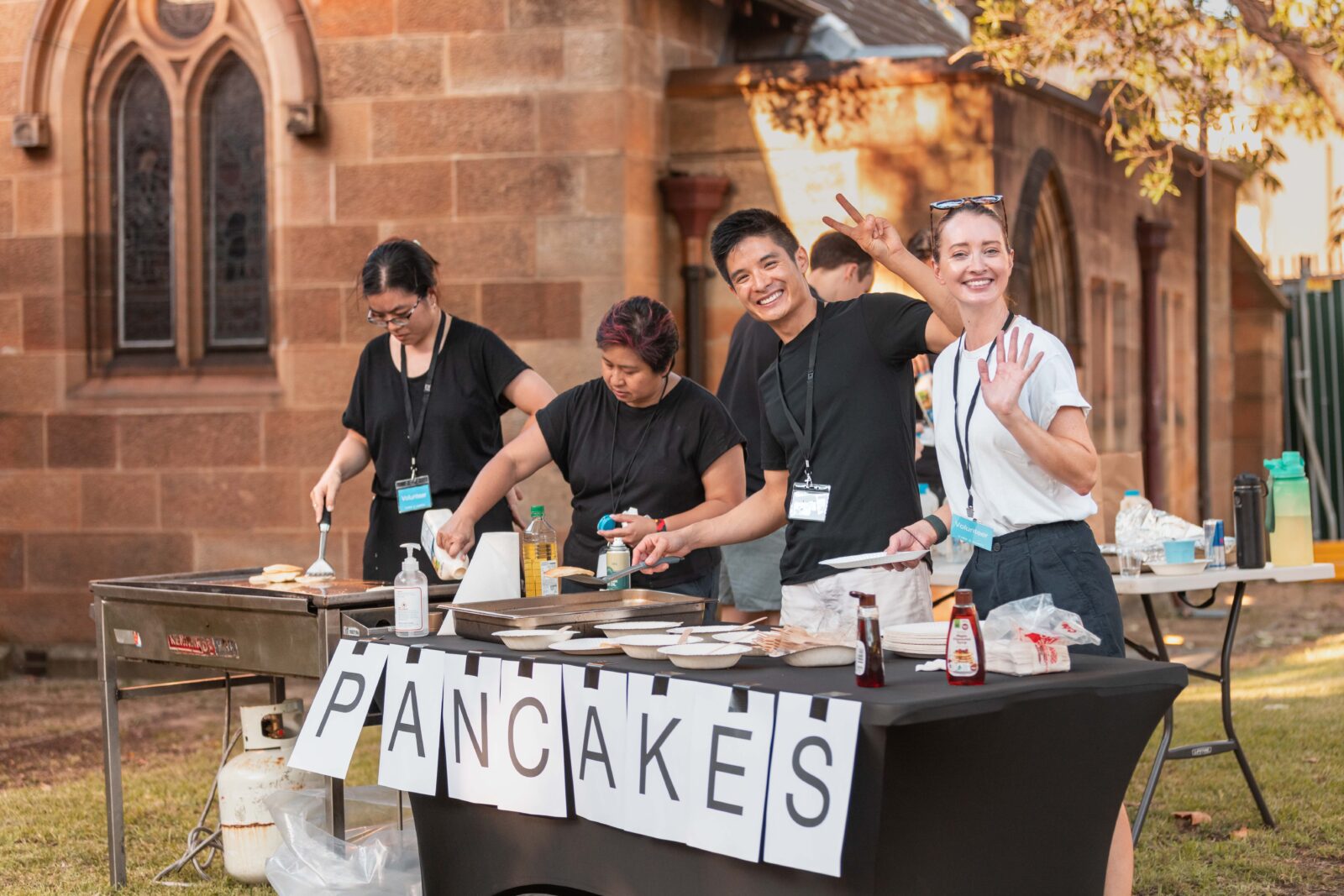
Sydney Anglican Property, of course, places a high value on the buildings in which churches across our Diocese conduct their ministry, including those with historical significance. But as all Christians would recognise, the most enduring part of our inheritance is not the bricks and mortar (or sandstone!) of our church buildings, but the faithful service to God that has occurred within and flowed out from them for over 200 years.
Now, in a strategic move designed to protect future ministry, SAP is urging parishes to invest time, especially in the lead-up to significant church milestones, in documenting not merely the history of their buildings and ministers, but tracking and celebrating the ministries that are their true cultural heritage.
This appeal is central to a new Heritage Strategy and Guideline being developed by SAP. These guidelines seek to equip parishes to not only manage existing heritage sites with care, but also build a well-rounded picture of a church’s history and ongoing use that can counter the prevailing regulatory emphasis on the value of the built form.
“The issue we regularly confront is the importance the Heritage Office and Council heritage officers place on our buildings compared with the uses of the building,” SAP CEO Ross Jones explains.
“The reason why this is a problem is that it’s a challenge to our core evangelistic mission, as secular decision makers place limitations on how church buildings may be updated, renovated or used for modern ministry.
“Our Christian heritage is first and foremost tied up in Jesus – in our ministries to build each other up in thought, word and action and in our desire to make him known via our evangelism and acts of service. These are the things that saw the early church grow, not the buildings they met in.
“When those who don’t understand our ministry make decisions that limit our capacity to minister effectively because we haven’t clearly communicated what it is we value, then that’s a real problem.”
Mr Jones’s position is that the ministries and uses of church buildings and property should carry at least equal, if not greater, weight than the buildings themselves, and be taken into account when decisions are being made about how a site may be used or modified.
The good news is that the Heritage Act itself compels local and state governments to apply a 50-50 weighting to cultural heritage vs built form when making these decisions. However, Mr Jones admits that the key obstacle is that “at the moment, we aren’t that good at explaining the cultural heritage side”.
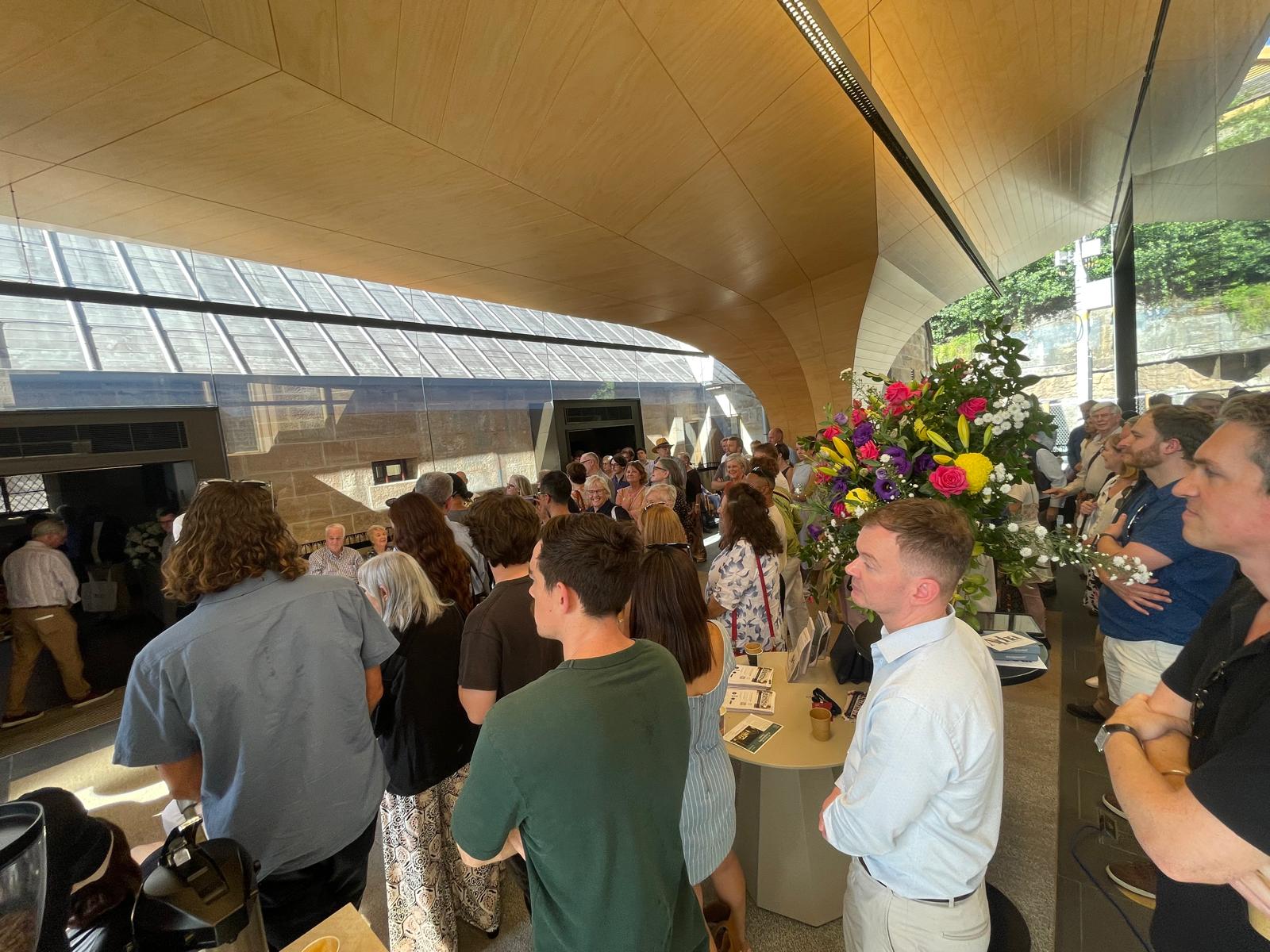
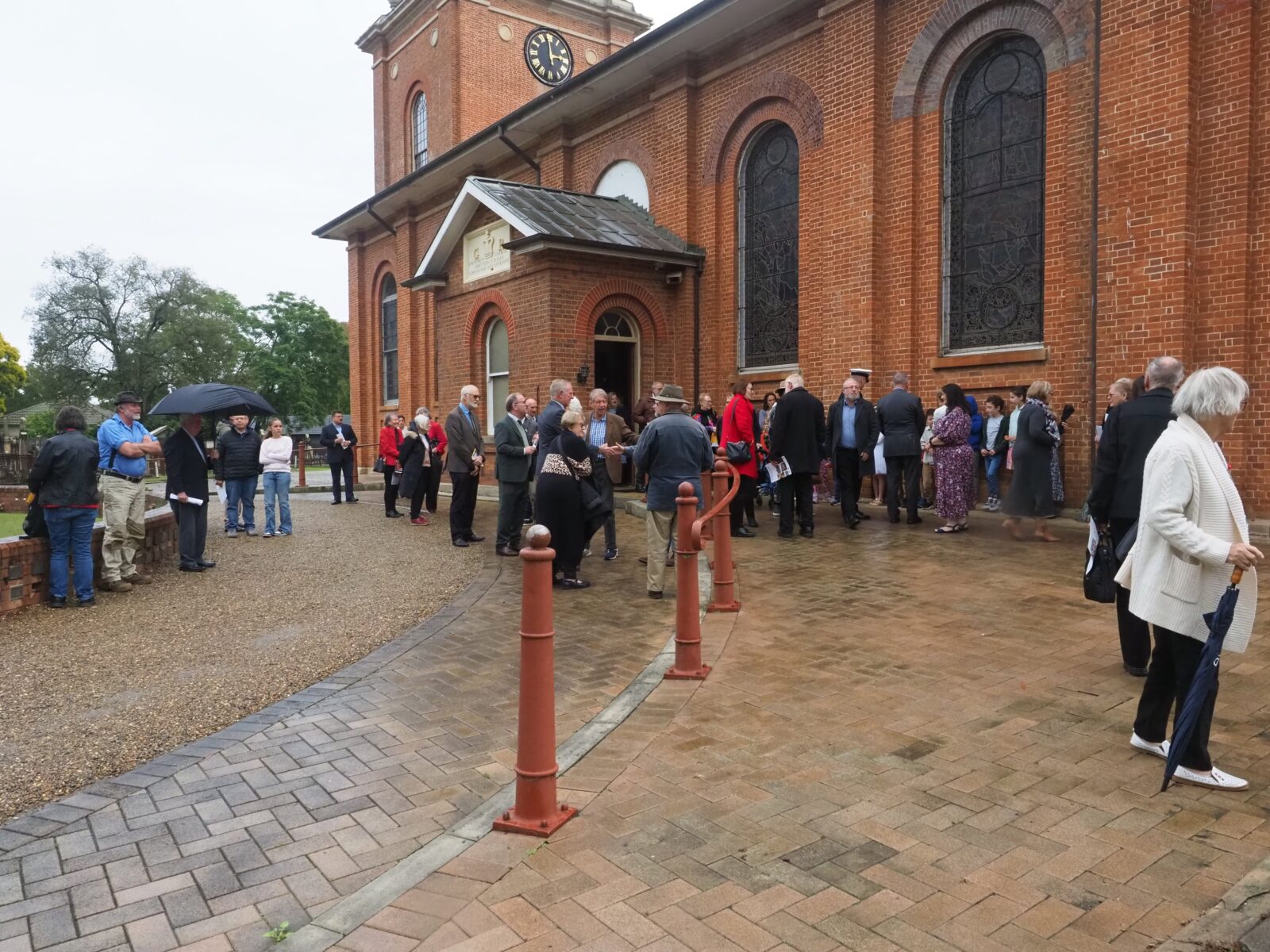
This is the point where our historical documentation becomes a matter of importance for the future of ministry in the Sydney Anglican Diocese. Currently, when a parish wants to make a change to the building or the internals of a heritage listed church, a state or local government heritage office will often push back and ask for justification of how the change to the building will help to enable the cultural heritage that has occurred on the site to continue and thrive. Documented thematic histories of individual parishes and churches demonstrate this value. If we can’t show that documented value, they must default to valuing the built form, which can severely limit the future flexibility of using churches for effective, relevant ministry.
The typical history document prepared by a parish for, say, a parish anniversary, while well-intentioned, usually focuses on dates, such as listing the tenure of various ministers. This historical method, though valuable, often misses the heart of the matter – the wonderful ministries of care undertaken by our brothers and sisters in Christ from previous generations.
What SAP needs from parishes to help them avoid the potential constraints associated with heritage listing, are rich and encouraging histories that recount the actual ministries that have taken place within the parish (and continue to!). Mr Jones is urging parishes to look beyond tenure and timelines and instead describe “the ministries that have occurred of note emanating from our church buildings”.
Consider the powerful stories that lie in forgotten accounts – stories which illustrate God at work through the members of churches across the city. We know of the crucial deaconess ministries in the early 1900s that involved caring for families involved in domestic violence in inner city parishes. There are also accounts of ministers defending the rights of Aboriginal people in the 1800s and early 1900s. These examples illustrate the powerful, tangible impact of Christian service – service that is far more important to us (and our Christian heritage) than the value a heritage consultant or member of the wider community places on our buildings.
So we urge churches: find someone in your parish who is a good researcher and storyteller, and ask them to work on documenting your church’s ministries and their impact. Search for the stories of how the gospel has transformed lives and the practical ways the church has served your community. Document the programs for children and youth, the welfare programs, the international mission efforts, and the social justice advocacy that has flowed from your property.
The act of tracking and documenting your ministries is a meaningful strategic contribution your parish can make to the wider Diocese. We must demonstrate that our buildings are not museum pieces, but strategic bases for kingdom work that need to adapt to effectively service the ministries of the present and future. By recounting the ministries of note, we are placing our faith, our service, and the gospel message back at the heart of our heritage.
And these stories are not just for government bodies, they are a source of inspiration for today’s church too! Documentation of faithful ministries of the past provides a richer Christian history that will greatly encourage current and future parishioners.
Mr Jones concludes: “Let’s document the powerful ways our parishes have humbly served God and continue to do so. Because if we do, we will provide future generations with the flexibility to augment their buildings to better enable the ministries that will help people know Jesus, and then help them to know him better.”