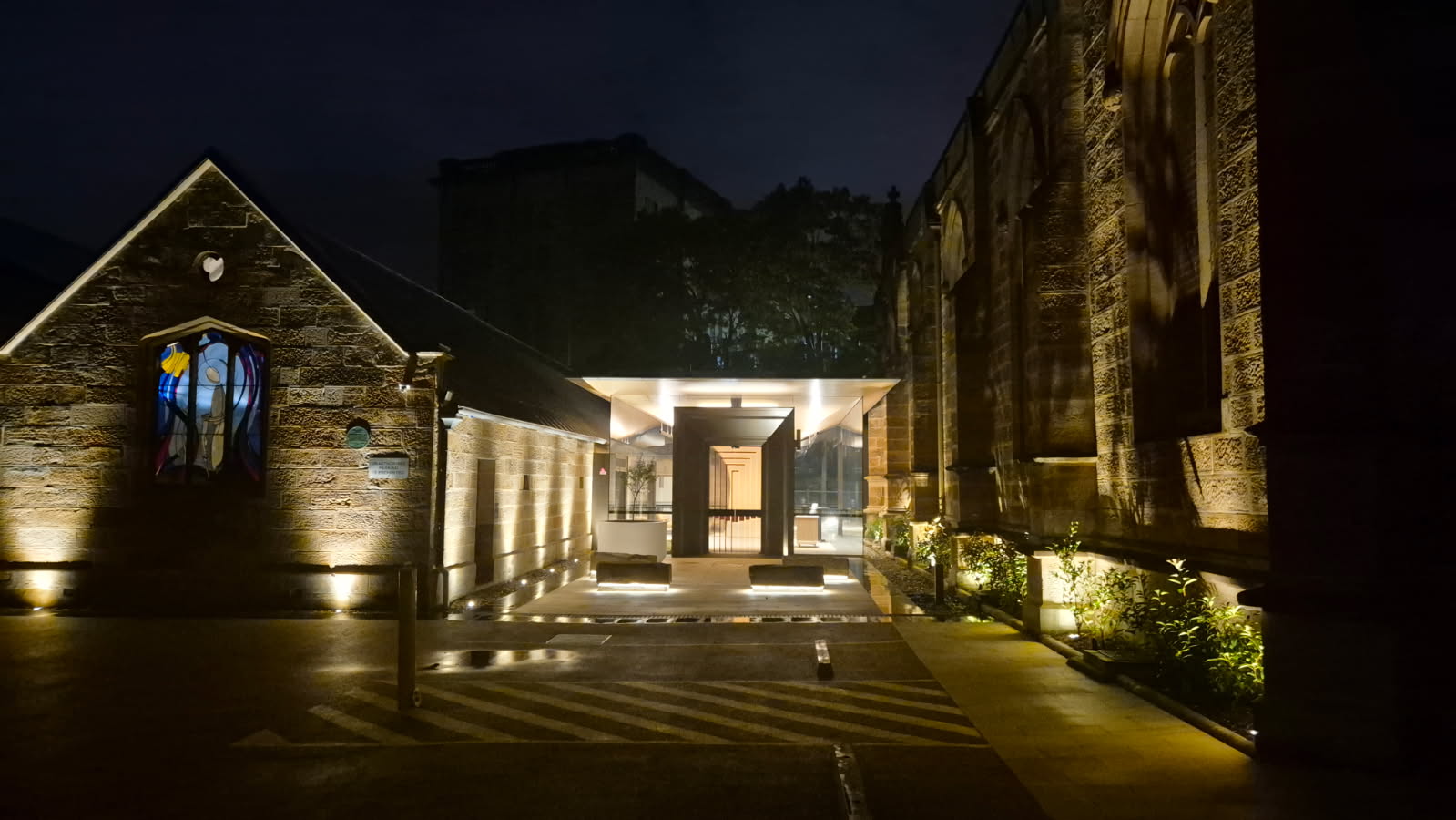
After over a century and a half without significant updates, the historic Garrison Church in Millers Point has completed a major building renewal, transforming its spaces to better serve its growing, modern congregation while meticulously preserving its treasured heritage.
The redevelopment, which was supported by the dedicated counsel of Sydney Anglican Property (SAP), has been celebrated by the church as a crucial step in enhancing its ministry and deepening its engagement with the local community.
Established in 1840 to serve the growing spiritual needs of the Millers Point community, the Holy Trinity Anglican Church earned its popular nickname as the Garrison Church due to its role as the official place of worship for British imperial troops stationed at nearby Dawes Point. Designed by noted architects Henry Ginn and later Edmund Blacket, the sandstone structure remains a significant heritage landmark as Australia’s first military church and continues to hold a deep association with Sydney’s colonial and maritime history. Today, the Garrison Church operates under the parish of Church Hill Anglican, led by rector Justin Moffatt and site minister Thomas Elms.
The necessity of the renewal was stark, according to Thomas Elms, given that the building’s facilities were no longer “completely fit for service”. In fact, the Garrison Church had not had a major redevelopment since the 1870s. The building suffered from issues like inflexible halls, offices using up ministry space, and particularly problematic toilets. Thomas shares, “We didn’t feel like we had a space where we could really confidently welcome in the community of Millers Point”.
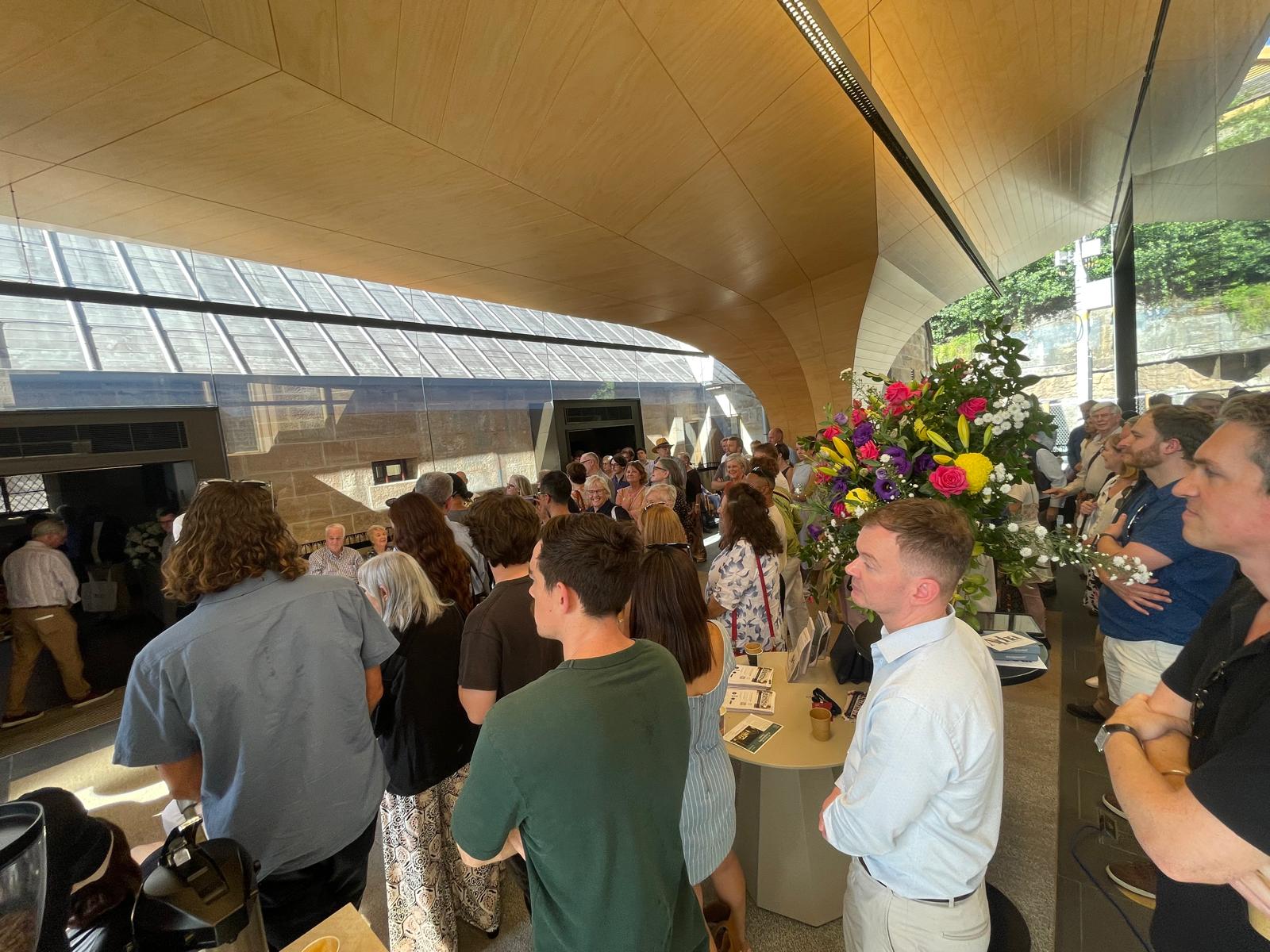
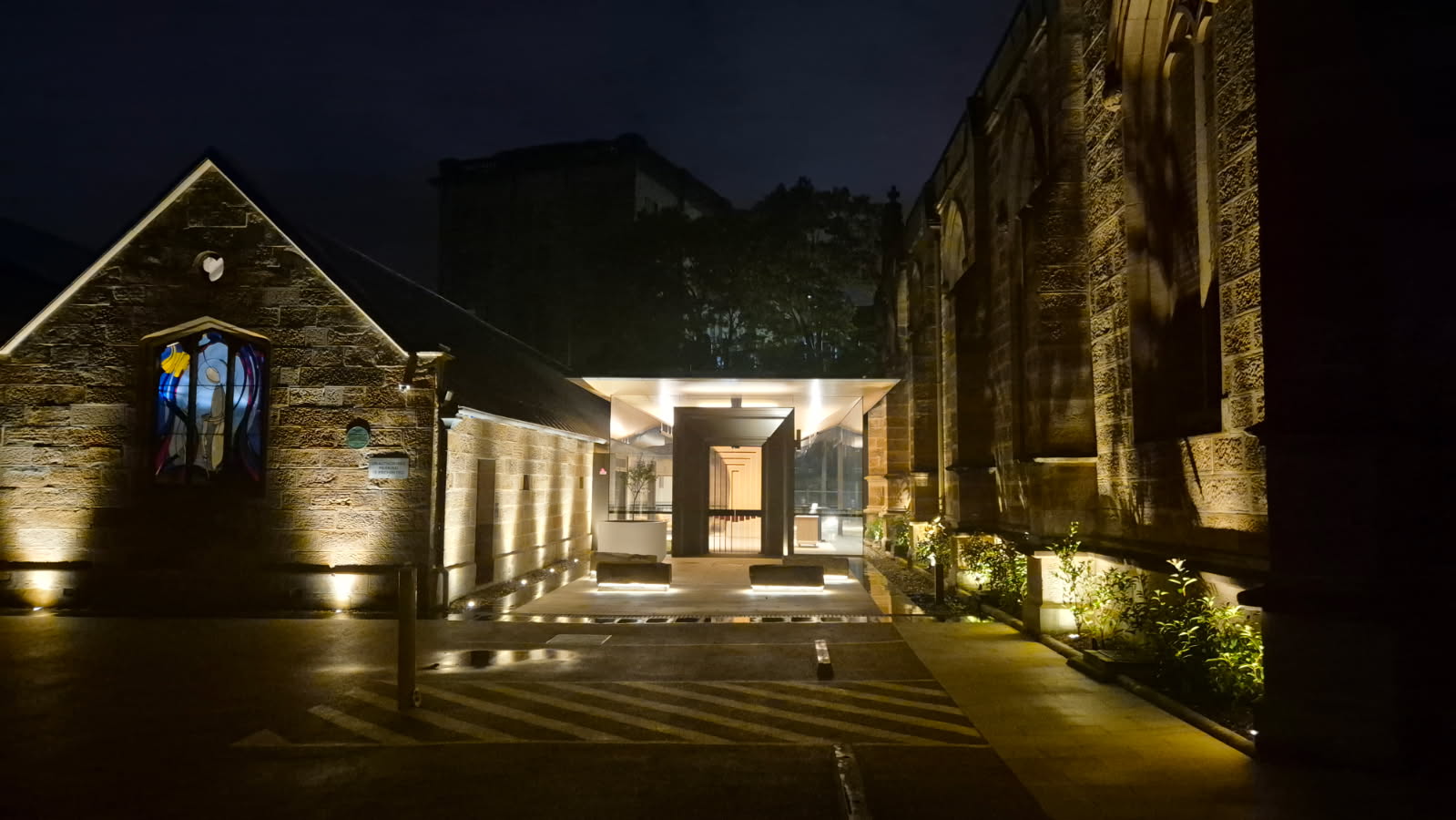
The site renewal includes new internal configuration for the church, a central courtyard, new meeting rooms, a kitchen, Sunday school space, play area, toilets and exhibition spaces. A large glass atrium connects spaces and offers a fresh welcome to the church, while still allowing the historical buildings their prominence in the city.
The delicate balance of heritage and modernity
A project of this scale on such a historically significant site required careful sensitivity and expertise. But thankfully, Thomas explains, the church staff possessed a “really strong value for the history of the Garrison Church”, and the objective was never to sacrifice the past for the sake of the present. Thomas explains that the guiding principle was not “to force the building into a more modern setting”, but rather to ensure “we developed the spaces for use in a way that honoured the heritage”.
This commitment to preservation required extensive collaboration with what Thomas describes as an “incredibly large number of consultants,” including heritage architects and archaeologists. The constraints imposed by the heritage listing demanded creativity from the architects, as many of the existing walls could not be touched.
But these restrictions brought joy alongside challenges. Archaeological excavations, a mandatory part of the process, unearthed fragments of the past. Thomas explains, “Most of the things that we found were old kinds of tools and papers and bottles.” While these are everyday items, they offer a glimpse into the fascinating past of the Garrison Church and its place in Sydney’s history.
The church plans to turn these discoveries into a permanent feature of the renewed building, showcasing them in a glass cabinet built into the wall and creating a heritage wall of photographs and historical elements to tell the church’s story.
Ministry enhancements
The renovation has delivered immediate and tangible benefits for the congregation and its expanding ministry efforts. The facilities now significantly enhance the ministries already taking place at the Garrison, including improving the quality of existing events such as prayer nights, men’s dinners, and after-church meals, as well as weddings, for which the Garrison is popular.
Crucially, the upgrade facilitates entirely new ministry opportunities. The church has launched a new youth group, housed in the space, and looks forward to exploring other new ministry opportunities afforded by the improved space.
Thomas is particularly pleased about the opportunities for the children’s ministry, which serves a rapidly growing population of young families, particularly those with children under five. The new facilities solve a previous logistical difficulty by allowing children to be separated into different age-based groups. Additionally, a dedicated space is now available where the Sunday service is live-streamed, allowing parents of young babies a more comfortable option for them to participate.
Community investment and outreach
The Garrison Church is a landmark in Sydney, and the local community around Millers Point deeply values the building and its heritage. Some were concerned that the renovations would compromise the history of the site.
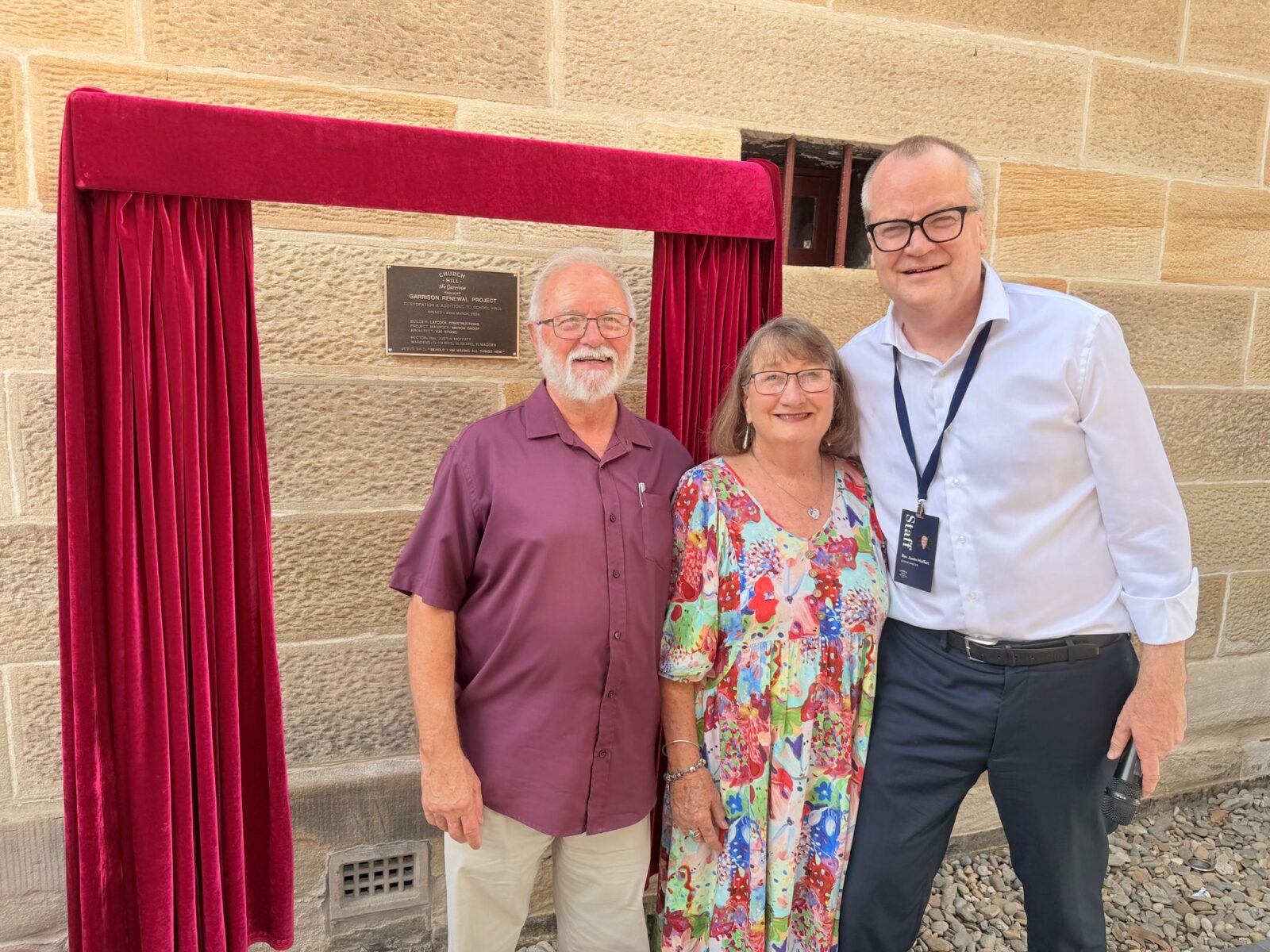
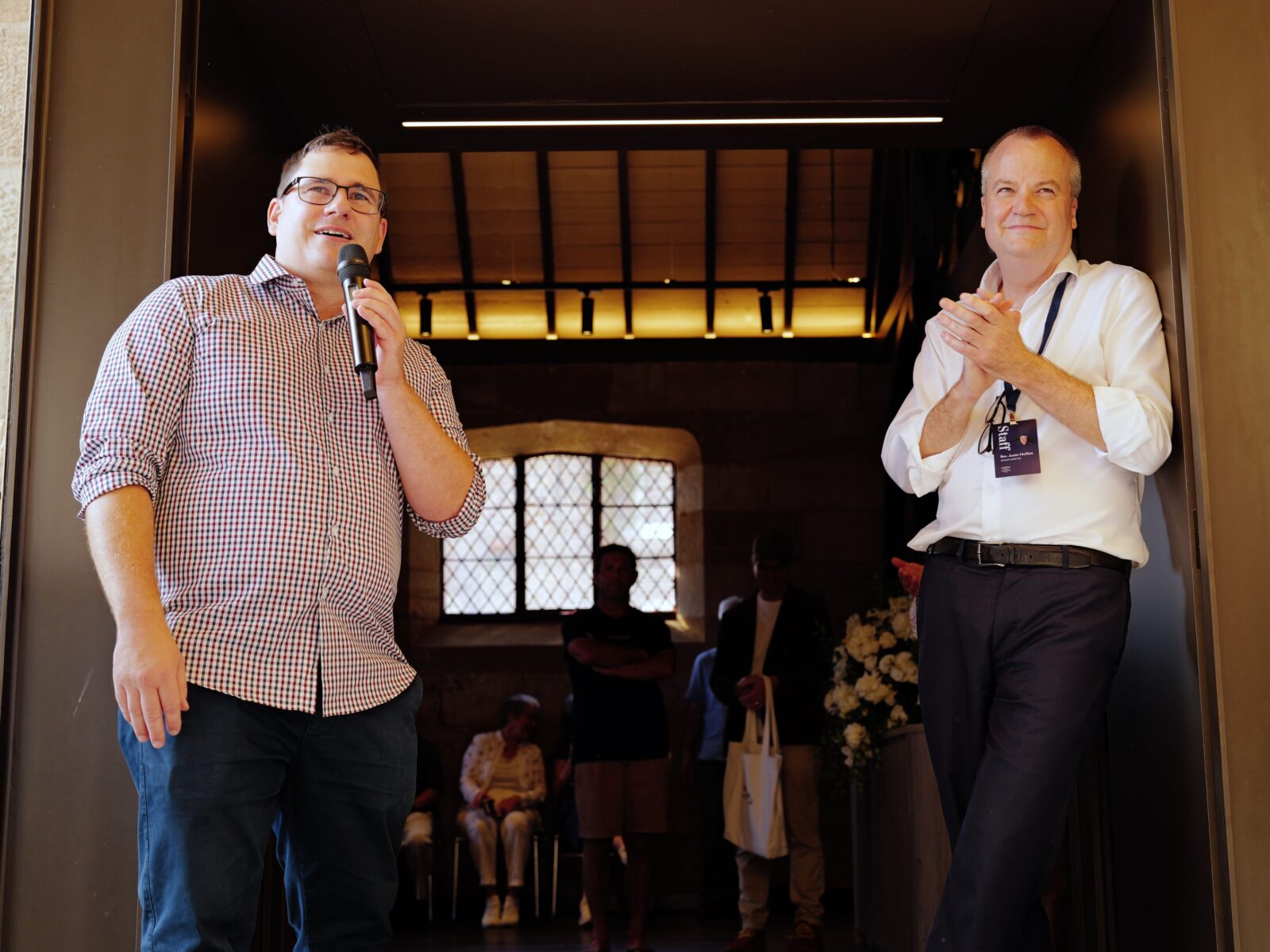
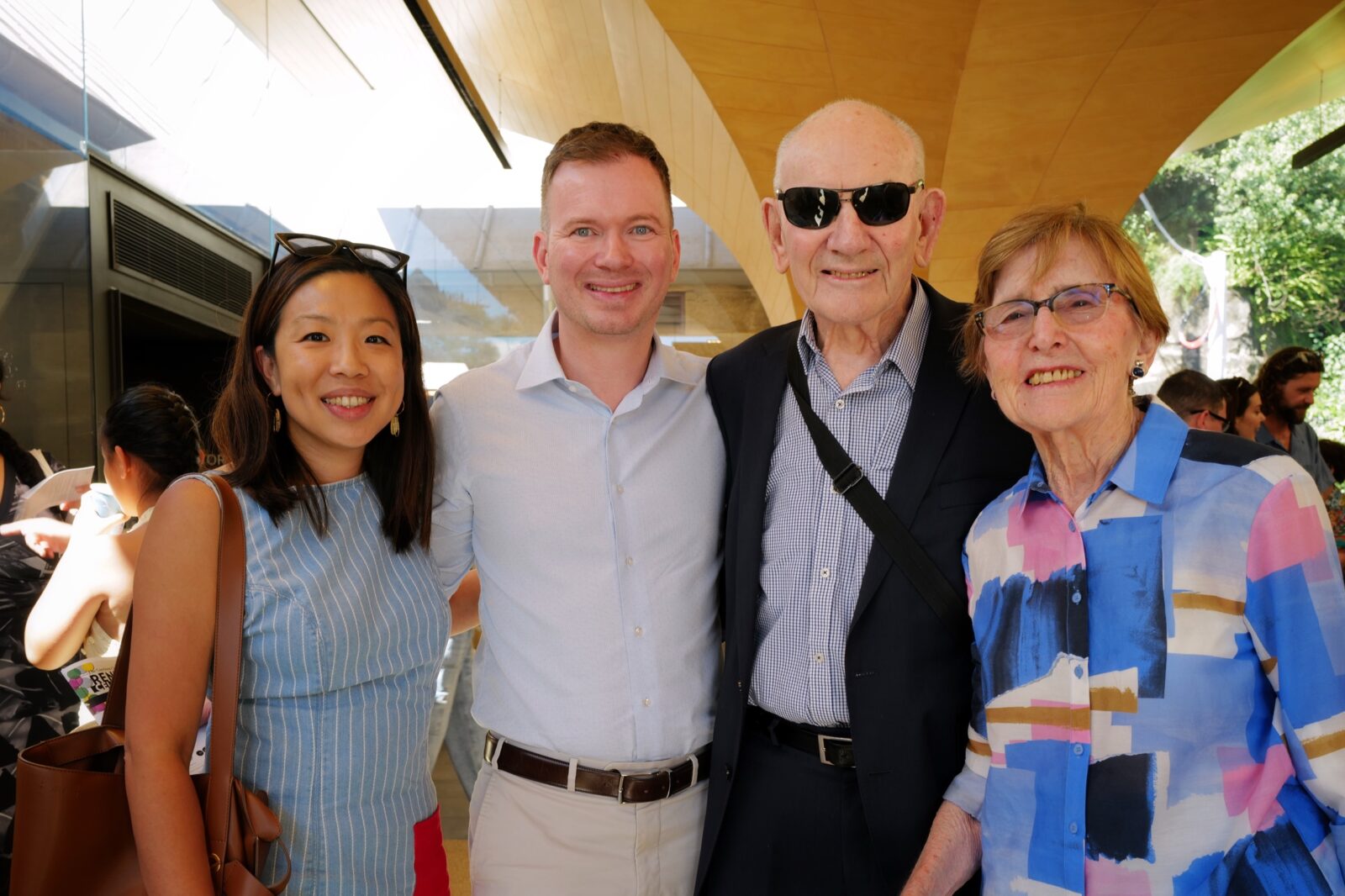
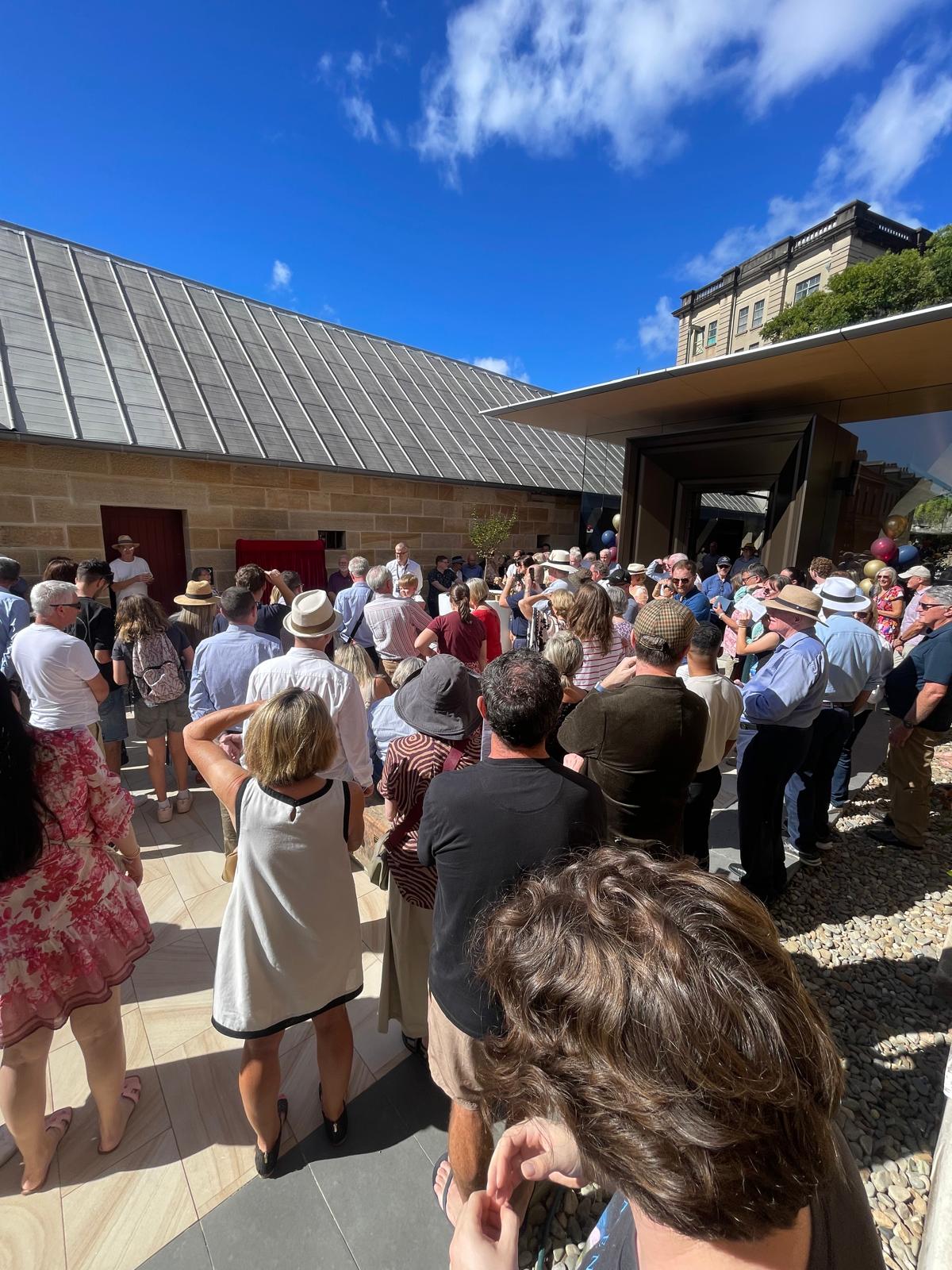
But the immediate reception to the renewal from the broader community has been overwhelmingly positive. A celebration held on 22 March, shortly after gaining occupation, was described by Thomas Elms as “phenomenal”, with strong attendance from the local community. Invitational strategies, including a letter box drop, door knocking, and leveraging an active local WhatsApp group, capitalised on the fact that the Miller’s Point community is deeply invested in the building itself.
But as Thomas explains, this renewal is about much more than just a building. The church also sees it as a key strategy to transition the community’s perception of the church. Thomas says, “The hope is to move them from then just seeing the building as a feature of their community, to seeing the members of the church as part of their community. The building itself is not the goal, but it’s a new wonderful resource that we can use as we drive towards the goal of seeing people know and love Jesus in our community”.
For example, a significant architectural feature contributing to the church’s mission is the new glass atrium constructed between the two church buildings. Previously, the entrance was through smaller, less visible doors. Now, the big atrium serves as a welcome hall that people can see from the street. Thomas explains, “This design has made the ministry both more visible and also more approachable because it’s designed so that people feel like they can walk towards it”.
The support of SAP
The success of a major heritage renewal project hinges on having expert support, and the partnership with Sydney Anglican Property (SAP) was foundational to navigating the complexities of the Garrison Church renewal.
Thomas expresses gratitude for the guiding role played by SAP, noting that the partnership was “really important”. He acknowledges the alignment of SAP’s mission with the Garrison’s, stating, “Sydney Anglican Property’s deep desire is for the kingdom to go forth through thinking thoughtfully and carefully about these buildings.” SAP’s involvement provided practical and strategic assistance throughout the redevelopment.
For churches facing the same difficulties of renovating historical and heritage-listed sites, Elms sees SAP as an essential resource, concluding, “I’m really thankful to God that there is a means by which we can be guided and supported as we do that”.
The fruitful completion of the Garrison Church renewal is a testament to the fact that updating facilities to be welcoming while honouring heritage is a worthy and achievable aim. The renewed building stands ready as a great resource to support the intergenerational congregation in its focused effort to connect with the Miller’s Point community.